

Men’s ANGER COUNSELING & Men’s therapy in seattle and washington state
Let's Talk—Men's Therapy That Works
As a man, you may be used to:
Solving problems all on your own.
Avoiding asking for help
Living with simmering anger and then horrible guilt when you blow-up
Not talking with others about things that cause you stress and upset
Believing that there is something “unmanly” about working with a counselor or therapist.
Boys and men in our culture often choose to suffer in private silence and pain, rather than admit to someone else that there is a problem they cannot fix on their own. We secretly fear feeling or being seen at inadequate—not enough.
Unfortunately, it’s very difficult sometimes to seek support from friends or family, and if we do, they often time are simply not helpful—or we wind up feeling worse.
You’re not alone if:
You’re having problems at work, with your primary relationship, or in your family.
You feel disconnected and alone or full of rage and worried about making things worse.
You have excessive self-doubt, anxiety, or depression and worry life won't get better.
You don’t think you have an issue or problem to address, but someone important to you does.
You are engaging in behaviors that you know are unhealthy or dangerous but are difficult to stop.
In our culture, there men feel great expectations on them not to be “weak” or “vulnerable” and to conceal emotions or be “warriors.” However, it’s a lie that if you talk about your problems, worries, hurts, and feeling, you will somehow, magically, become less of a man.
Not true.
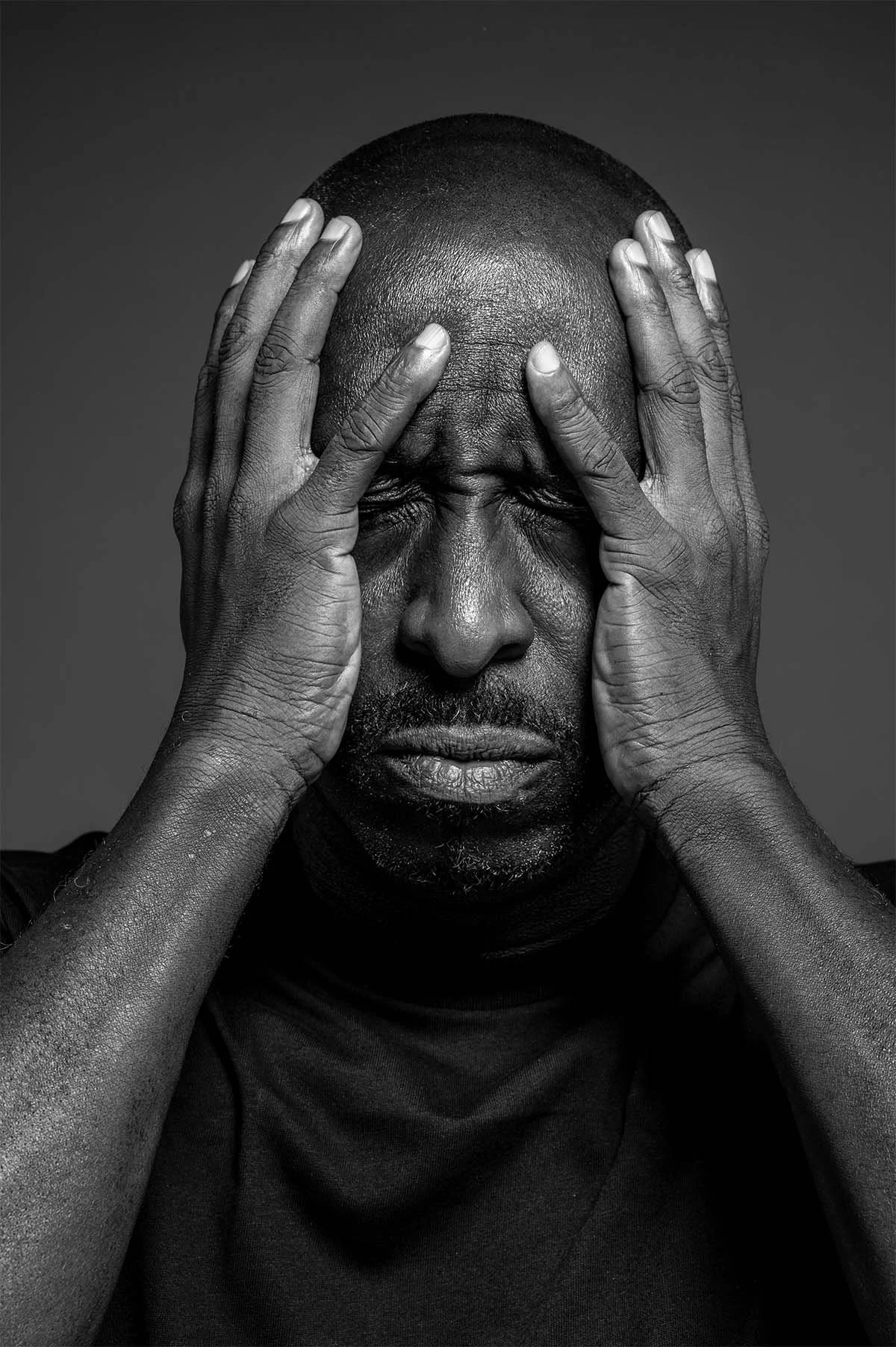
The world is changing, let’s change with it.
It’s essential for men to develop vital skills such as emotional intelligence, effective communication, stress management, and building strong relationships. Men’s counseling offers valuable support in these areas.
I offer an environment where men can feel at ease to be genuine and open-up. You’ll receive the support and feedback you seek, but I won’t just give you the answers. My approach is to both challenge and encourage you. And you won’t find me sitting in silence for an hour—I’ll be actively engaging in a real, meaningful conversation with you.

Skeptical? This counseling is different.
This counseling focuses on your personal growth and helping you return to feeling your best in life. It’s created specifically for men, by someone who understands men’s unique experiences.
Reach out and share what changes you want to see in your life. I’ll explain my experience and the reasons I’m especially suited to work with men. If we both feel it’s the right fit, we’ll get started together.
Men’s Therapy FAQ’s
-
Determining if psychotherapy will be helpful for you depends on a wide variety individual factors, including:
Firstly, consider whether you are open to exploring and addressing your emotions and thoughts or at least willing to learn how to do this. If you are willing to engage in self-reflection and make positive changes, psychotherapy can be valuable.
Additionally, examine the challenges you're facing and their impact on your daily life. If you find it challenging to cope with stress, manage emotions, or maintain healthy relationships, psychotherapy can provide support and strategies to navigate these difficulties.
It's important to have realistic expectations and understand that therapy requires time and effort. A strong therapeutic relationship with a trained, licensed psychologist—and specialist in working with men—is crucial for success. Make sure to find a therapist whose approach aligns with your needs and preferences—or at least feels like a potential good “fit” for working together.
Ultimately, psychotherapy can be highly effective for most men dealing with various concerns, goals, and challenges, but its success may vary from person to person. If you're willing to commit to the process and work collaboratively with a men’s psychologist, you increase the likelihood of experiencing positive outcomes and personal growth.
-
I offer online therapy in Seattle and throughout Washington State.
-
I create a space where guys can feel comfortable getting real and opening up. I provide support and feedback that you’re looking for, without handing you the answers.
I’ll challenge you, and bolster you up at the same time.
If you want tools, strategies, and coaching, I’ve got you covered. And I won’t sit there quietly staring at you for an hour, either. I will have an actual real conversation with you.
-
First and foremost, I am a man. I spent most of my life trying to fill certain, common male roles and struggling to feel confident that I was doing it right. Also, I commonly found myself experiencing strong emotions, but unsure of which they were, if they were appropriate to feel or share out loud, and how to cope with them.
When I finally tried out psychotherapy as a client and later when I entered the field of psychology, I realized there was so much to learn about what it meant to be a man in our western culture, but also what it meant to be a human being regardless of gender.
I have committed my professional life to helping other men feel free and confident in learning crucial human skills such as self-control, emotional understanding and communication, self-reflection, and digging deep to learn what they really think, feel, and need.
Most importantly, I help men recognize that acknowledging their pain, confusion, insecurity, needs, and frustrations are perfectly normal, and seeking support and help is what healthy humans do. Doing so does not make one any less of a man. In fact, it makes one more of a man.
-
In total, just shy of 20 years. 11+ as a Licensed Clinical Psychologist and 8 as a trainee under the guidance and supervision of some of the wisest and most skilled psychologists in the county.
-
This is a common question. The answer is that the time it takes will vary and depends on a number of factors including:
Willingness to engage in the process and actively participate in therapy even when it gets difficult.
Consistency of attendance, and being present and interactive in sessions.
Your symptoms, medical history, other psychiatric diagnosis, medication, trauma, substance use, prior therapy experience, coping abilities, and your therapy goals.
Maintaining open communication with your therapist about your experiences and any concerns you might have during the treatment process.
Beyond all of these factors, most clients start to see some positive change within a month or two, more noticeable improvement in multiple domains around 3-6 months, and stability in improvements including significant reduction in the frequency, intensity and duration of anxiety and increases in their capacity to tolerate and cope with anxiety around 6-12 months—or more depending on those factors mentioned above and others.